Table of contents
As emerging technologies continue to reshape the logistics landscape, drone deliveries stand on the brink of redefining how goods reach consumers. The promise of rapid, contactless service has sparked interest across industries, raising questions about the future of traditional supply chains. Explore how this innovative solution could transform business operations and what challenges may lie ahead in the path toward mainstream adoption.
Rethinking last-mile logistics
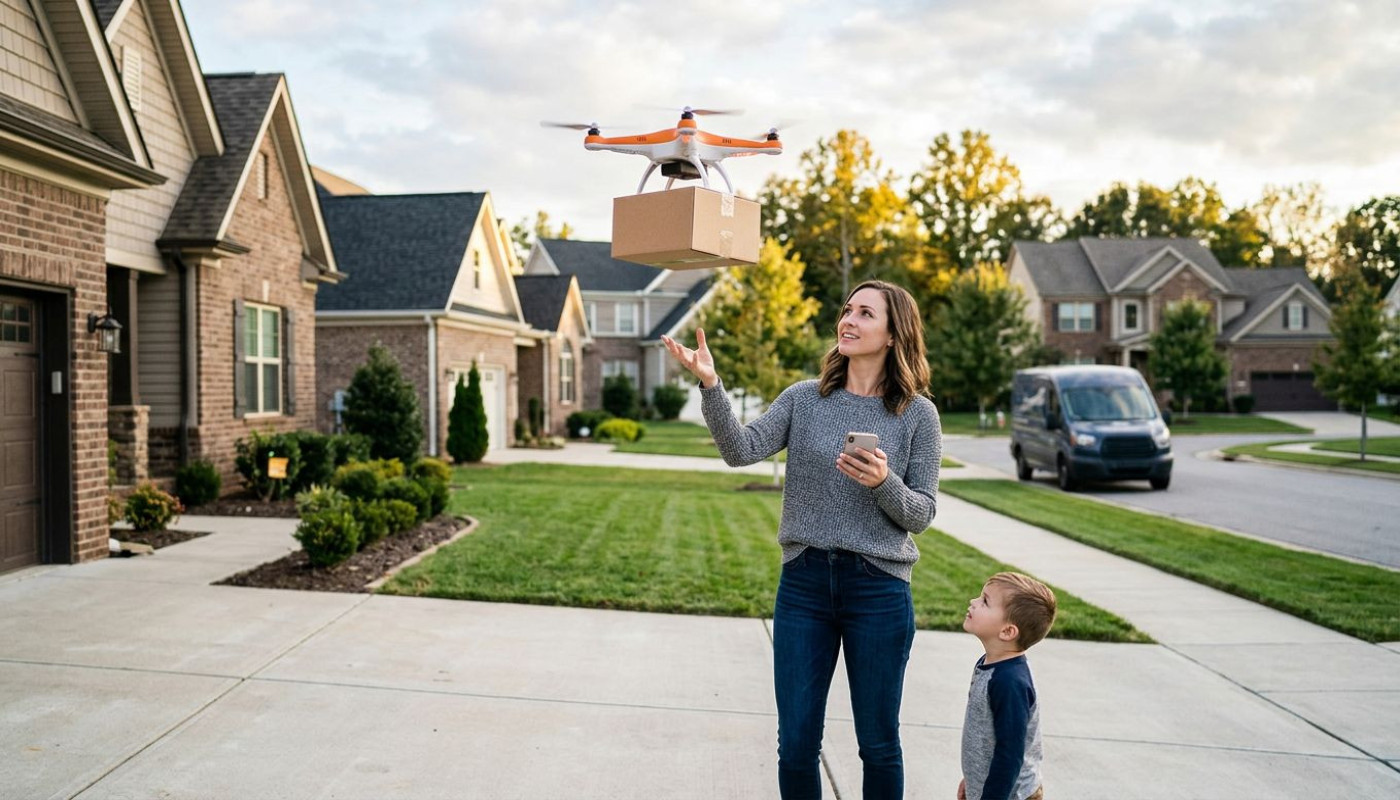
Last-mile delivery has long represented a complex hurdle within supply chains, often incurring the highest costs and demanding substantial resources. The emergence of autonomous aerial vehicles in drone logistics introduces a transformative approach, enabling fast shipping that can swiftly bypass traditional constraints like road traffic and infrastructure limitations. By leveraging these advanced machines, companies can not only accelerate delivery times but also reach customers in remote access locations that were previously difficult or expensive to serve. This form of supply chain innovation promises a reduction in operational expenses while expanding the reach of available services to underserved populations.
Implementing autonomous aerial vehicles into the last-mile delivery process allows businesses to optimize routes, minimize human intervention, and deliver goods with improved precision. Remote access to rural or geographically isolated areas becomes feasible, enhancing both operational efficiency and customer satisfaction. As companies experiment with integrating drone logistics into their existing frameworks, the broader implications for supply chain innovation—such as increased reliability, flexibility, and responsiveness—become increasingly apparent. Drones stand poised to disrupt the established norms of fast shipping, reshaping customer expectations and redefining the boundaries of modern commerce.
Regulatory and safety obstacles
Delivery drones are encountering a complex array of regulatory and safety challenges that must be addressed before widescale deployment can occur. Airspace safety is a significant concern, especially in urban environments where unmanned aircraft systems must coexist with traditional aviation and densely populated areas. Airspace restrictions, including designated fly zones and altitude limitations, are put in place to prevent accidents and interference with manned aircraft. Certification requirements for both the drones and their operators are becoming increasingly stringent, demanding adherence to robust compliance standards that ensure reliability, security, and accountability.
Drone regulations are continually evolving as national and international agencies seek to find a balance between innovation and public safety. One major technical hurdle is the integration of beyond visual line of sight (BVLOS) operations, which enable drones to travel farther than the operator can see and are essential for efficient delivery services. Privacy issues also emerge as delivery drones routinely capture images and data, raising questions about surveillance and data protection. Standards on secure data handling and public notification must be set to alleviate these concerns.
Organizations such as the Federal Aviation Administration and European Union Aviation Safety Agency, in collaboration with policymakers, are actively shaping frameworks for unmanned aircraft systems through pilot programs, stakeholder consultations, and the drafting of enforceable laws. These frameworks must adapt to technological advancements and stakeholder feedback to foster public trust and industry compliance. Interested readers can explore how predictive technologies are influencing logistics and regulatory strategies on this great site, which provides insight into the intersection of technology, regulation, and supply chain innovation.
Environmental impact assessment
Evaluating the environmental effects of drone deliveries versus conventional delivery vehicles reveals significant potential for eco-friendly delivery practices. Drones, powered primarily by electricity, generally have lower drone emissions compared to fossil-fueled trucks and vans, suggesting a positive shift toward reducing the carbon footprint of last-mile logistics. Life cycle assessment studies indicate that, in urban settings, drones can be more energy efficient per package delivered, particularly for lightweight parcels and short distances. This advantage supports the drive for sustainable logistics and the adoption of green technology across the delivery sector. Indirect environmental impacts exist, such as the energy sources used for charging batteries and materials required for drone manufacturing. While drones lessen road congestion and associated air pollution, their overall ecological benefit depends on renewable energy integration and responsible end-of-life management. Widespread adoption must address these variables to ensure drone technology truly advances a more sustainable logistics network.
Consumer expectations and adaptation
Consumer demand for faster and more flexible service continues to reshape the logistics landscape, with delivery speed and drone convenience emerging as top priorities. As customers grow accustomed to near-instant gratification, companies are leveraging drone technology to meet these evolving expectations and deliver innovative shipping solutions. The success of such efforts depends on understanding the user adoption curve, which traces how different segments of the population embrace new technology over time. Businesses are actively addressing concerns regarding safety, privacy, and reliability to foster trust and accelerate movement along this curve. By integrating transparent communication, rigorous pilot programs, and seamless order-tracking systems, organizations seek to enhance the overall customer experience. These strategies not only improve public perception but also drive wider acceptance, positioning drone delivery as a viable answer to contemporary consumer preferences.
Shifting business models and competition
The rapid adoption of drone delivery technologies represents a significant business disruption, compelling established enterprises to reevaluate their operational strategy and adapt to a transforming competitive landscape. As the drone delivery market matures, traditional retailers, logistics companies, and even manufacturers are witnessing the emergence of new entrants leveraging logistics innovation to gain market share and meet evolving consumer demands. This evolution is particularly influenced by the platform economy, where digital platforms enable faster, more flexible delivery networks and facilitate partnerships between various service providers. In response, established players are forming strategic alliances with technology firms, investing in proprietary drone fleets, or integrating with these platforms to maintain relevance and efficiency. The result is a dynamic ecosystem in which agility, customer-centric service, and the ability to harness technological advancements will determine success, reshaping the way goods are transported and delivered across industries.
Similar articles

How Simplified VAT Processes Boost E-commerce Across EU?

Leveraging alternative lending platforms for small business growth in 2023

Exploring The Impact Of Crypto Licensing On Canadian Businesses
